





Tropical Fruit Salad
Tropical Fruit Medley, Exotic Fruit Salad, Fresh Fruit Platter, Caribbean Fruit Salad
The Edible Memory of a Region
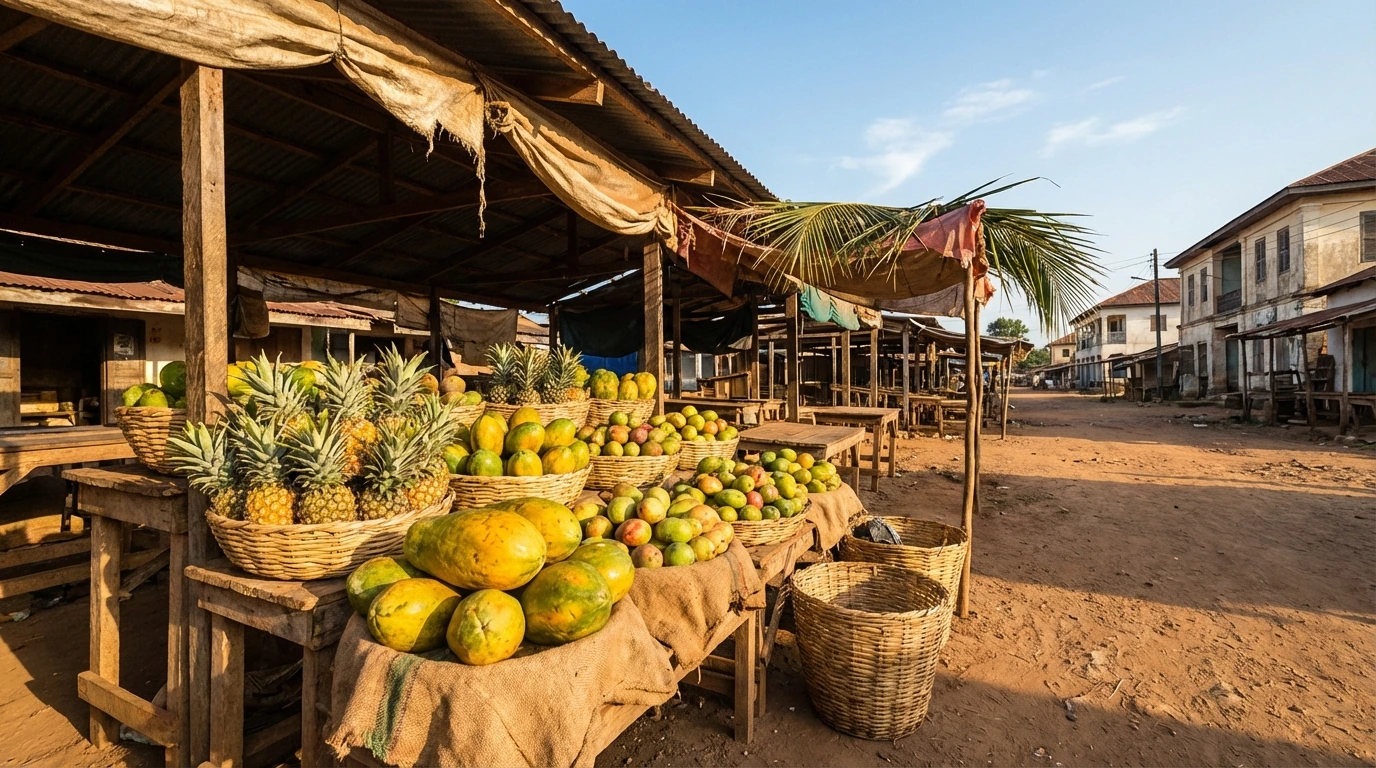
The tradition of combining fresh fruits into salads stretches across tropical Africa, where abundant harvests of pineapple, mango and papaya have long provided natural sweetness to local diets.
In West African nations, fruit platters represent a cornerstone of hospitality, offered to guests as a gesture of welcome and abundance. The practice of cutting fruits into uniform pieces and dressing them with citrus likely evolved from Portuguese colonial influences in the fifteenth and sixteenth centuries, when lime and lemon trees were introduced to coastal regions.
These citrus elements complemented existing local preferences for tart flavours derived from tamarind and sorrel. As refrigeration technology reached African markets in the mid-twentieth century, the concept of chilled fruit salads gained popularity in urban centres and coastal resorts. Street vendors began serving mixed fruit cups dressed with lime and mint, creating refreshing snacks that required no cooking and provided immediate energy in hot climates. The combination of watermelon with traditional tropical fruits reflects both indigenous agricultural practices and the global exchange of produce varieties.
Today, this style of fruit salad appears across the continent from Nigerian breakfast tables to Kenyan beachside cafes. The emphasis on ripe but firm texture demonstrates an understanding of fruit physiology that has developed through generations of cultivation and consumption. While variations exist, some incorporating coconut flakes or chilli powder depending on regional preference, the fundamental preparation remains consistent: fresh, seasonal fruits cut to share, brightened with acid and served immediately to preserve vitality. ■

Login or Register to comment