





Kleftiko (Slow-roasted Lamb)
Klephtico, Lamb kleftico, Stolen lamb
From the Land to the Table: A History
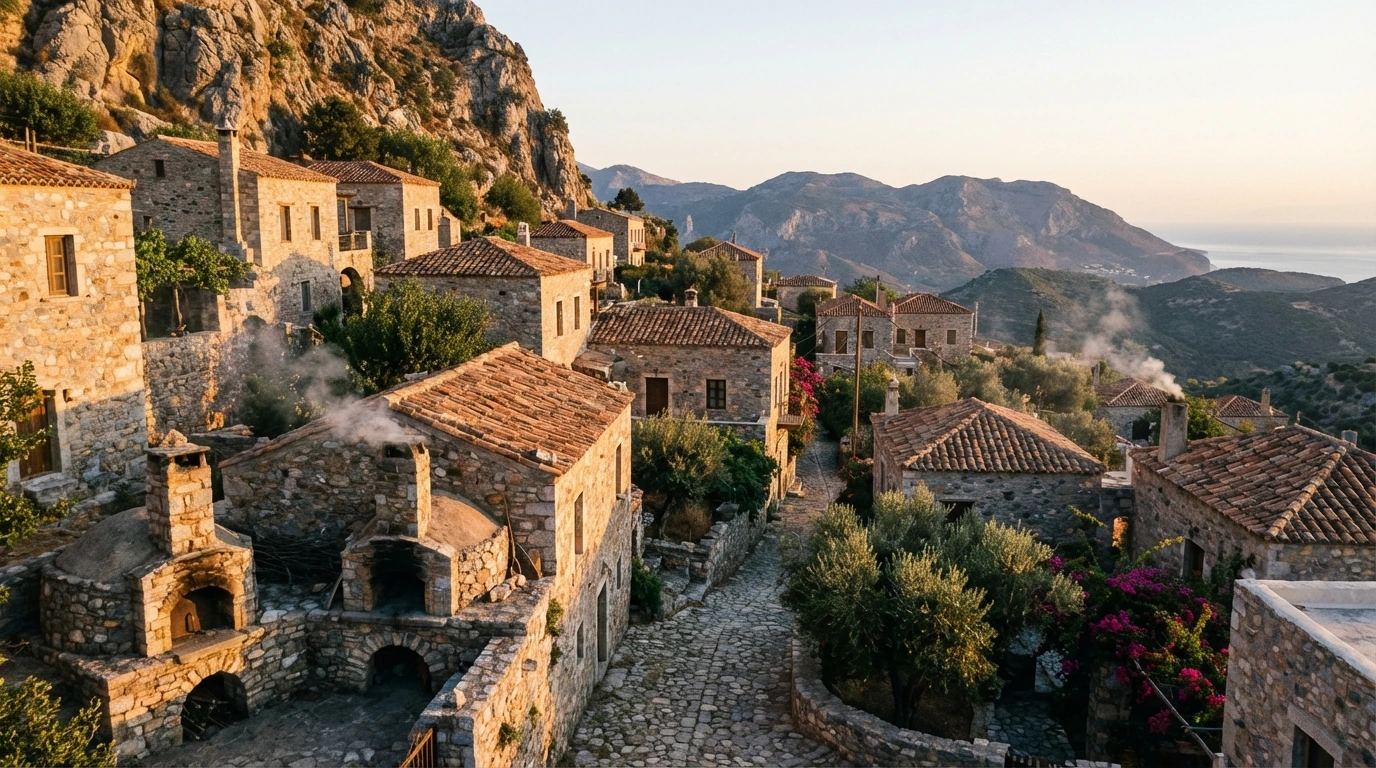
Cypriot mountain villages developed cuisine shaped by Troodos highlands' cooler climate and agricultural opportunities distinct from coastal areas.
Medieval monasteries preserved winemaking and cheese-making traditions through centuries of foreign rule. The mountains' forests provided game, wild mushrooms, and herbs while terraced slopes grew wheat, barley, and legumes. Villagers created halloumi cheese, now Cyprus's most famous export, using a unique grilling technique. Grape cultivation for wine and commandaria - a sweet wine dating to the Crusades - flourished at altitude.
Ottoman occupation influenced preparation of grilled meats and yogurt dishes while British colonial period introduced tea culture. Mountain villages maintained traditional oven-baked dishes like kleftiko (stolen meat, named for bandits cooking in sealed pits) and tava (slow-cooked meat stews). Preservation techniques including sun-dried sausages, olive curing, and grape must products sustained communities through winter. Modern mountain cuisine celebrates these traditions with wild greens, legume stews, and handmade pasta like trachanas. ■

Login or Register to comment