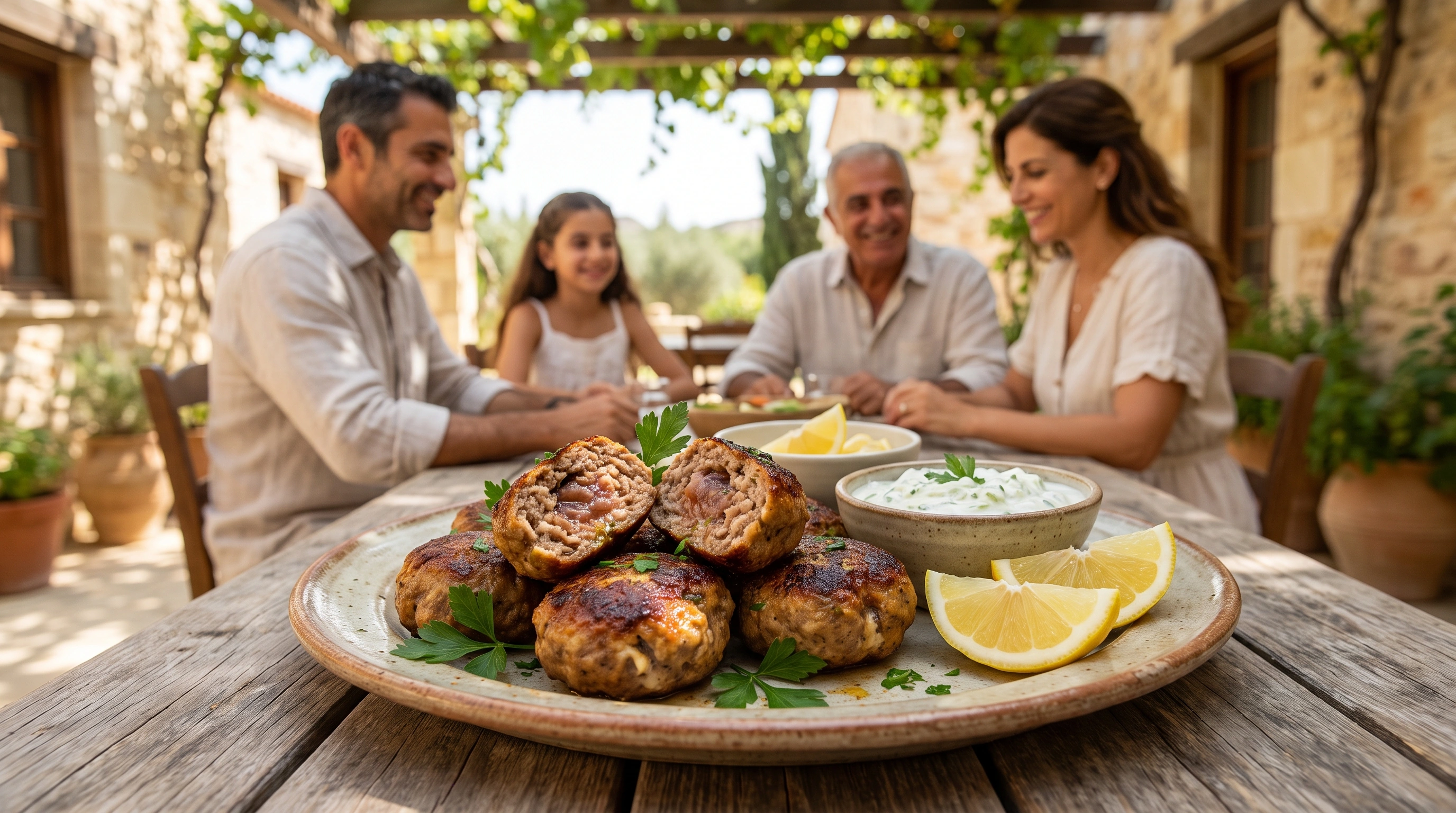
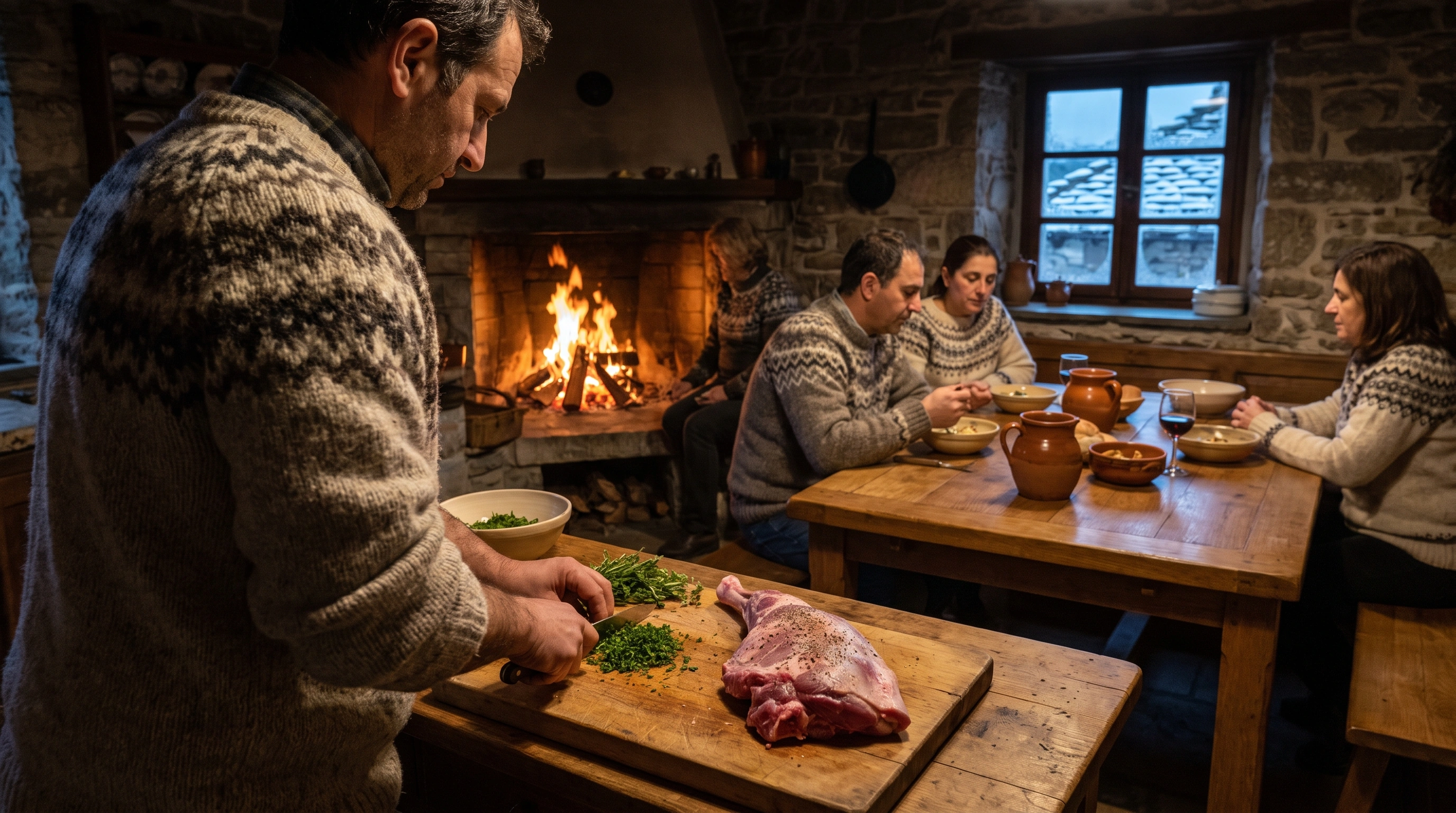
Grated potato serves as the essential binder in these traditional meatballs, creating a lighter and airier consistency than the bread-based versions found elsewhere. By mixing the lamb with fresh mint and a touch of clove, we achieve a fragrant balance that cuts through the richness of the meat. I always recommend letting the mixture rest for half an hour to allow the spices to fully penetrate the lamb before frying.
For those who prefer an extra-fluffy texture, adding a pinch of baking powder or a splash of white sauce works wonders. These golden bites are best enjoyed hot from the pan, served as part of a meze platter with a squeeze of fresh lemon to brighten the savoury flavours. It is a true taste of home that brings the warmth of a Cypriot kitchen to any table.
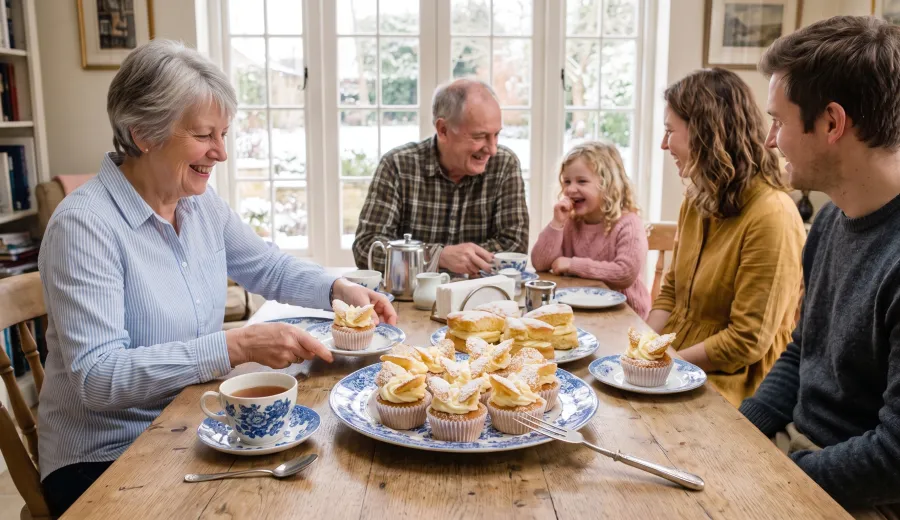
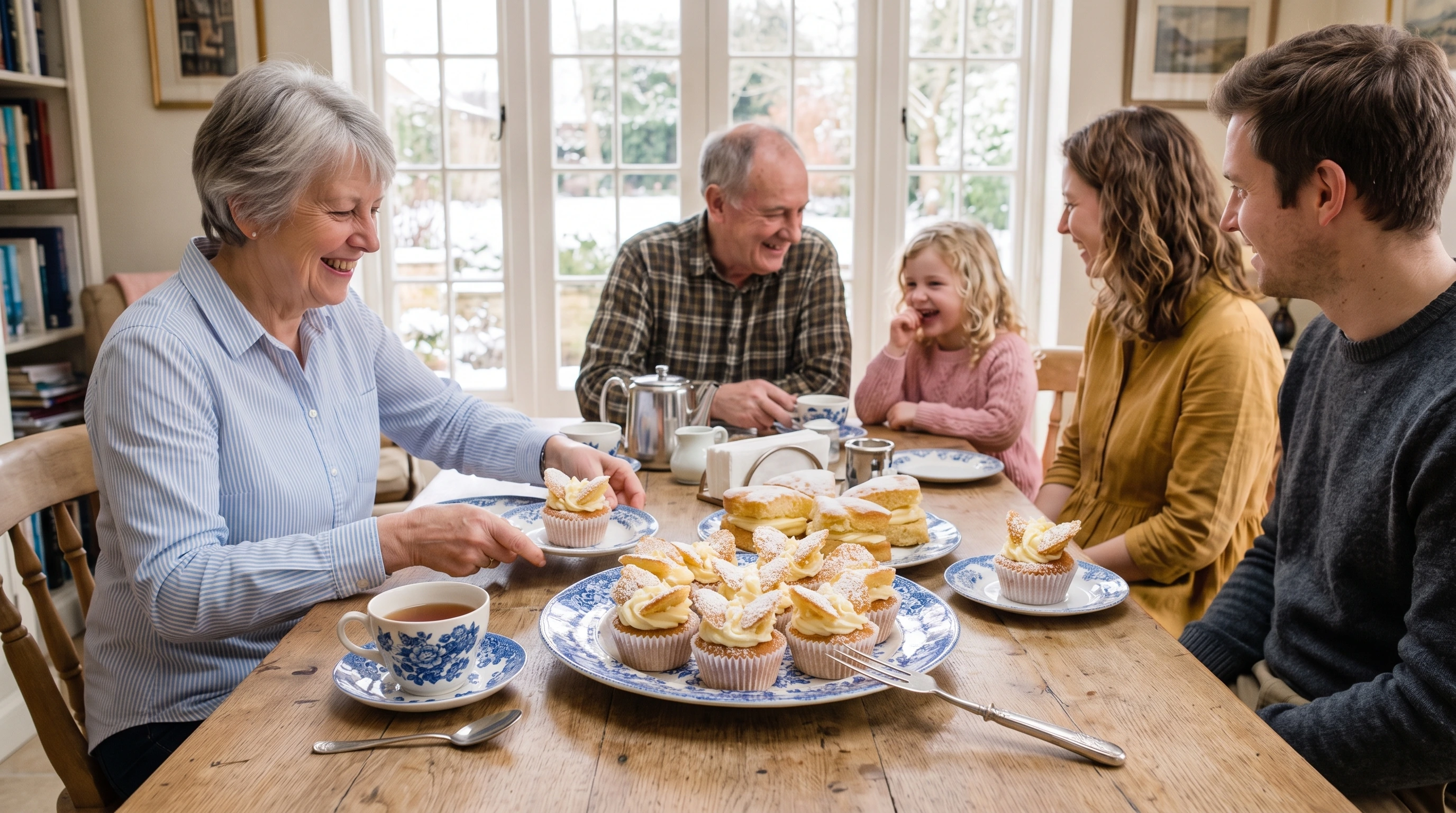
Self-raising flour and margarine form the base of these nostalgic British treats, creating a light sponge that is perfect for afternoon tea. The magic happens after baking, when a small slice of the cake top is split into two delicate wings. This clever technique transforms a standard fairy cake into a playful butterfly.
Adding a generous dab of whipped cream or rich buttercream into the centre provides a velvety contrast to the soft crumb. The vanilla essence adds a gentle warmth that ties the sweetness together beautifully.
A Tea Party Classic
These cakes are wonderful for sharing with family or bringing to a gathering. Their charming appearance always brings a smile to the table, making them a lovely addition to any dessert spread.
These traditional Cypriot meatballs are made with seasoned lamb and grated potato for a unique texture. They offer a rich, savoury flavour profile enhanced by aromatic herbs and warm spices. This dish is a staple of Mediterranean home cooking and is typically served as a hearty snack or main meal.
The tradition of making keftedes is deeply rooted in the culinary heritage of Cyprus and Greece, reflecting the historical importance of sheep and goat farming in the region. While meatballs exist in many cultures, the Cypriot variation is distinguished by the addition of grated potato, which acts as a binder and provides a lighter, airier consistency compared to bread-based versions.
The use of lamb is central to the island's gastronomy, often paired with local herbs like mint and parsley to balance the richness of the meat. Spices such as cloves provide a subtle warmth, a nod to the historical trade routes that brought exotic aromatics through the Eastern Mediterranean.
In Cypriot households, these meatballs are often prepared for family gatherings or as part of a meze platter. The process of kneading the meat by hand is a traditional practice, ensuring that the flavours are thoroughly integrated before the meatballs are shaped and fried.
Modern preparations continue to value these traditional methods, though some families add a touch of baking powder or a splash of white sauce to achieve a fluffier result. They remain a symbol of hospitality and regional identity, served alongside fresh salads and dips.
These whimsical treats are a staple of British tea parties and celebrations. Their playful shape and creamy centres make them a delightful choice for children's birthdays. They offer a light, sweet flavour with a charming presentation.
Butterfly cakes are a distinctive variation of the traditional British fairy cake. While fairy cakes are typically small, plain sponges topped with a swirl of icing, the butterfly cake involves a clever bit of surgery where the top of the cake is removed and split to create wings. This transformation turns a simple sponge into a decorative treat, reflecting the British fondness for novelty and presentation in home baking.
The tradition of the fairy cake emerged in the late 19th and early 20th centuries, coinciding with the rise of refined sugar and flour. These miniature cakes were designed to be dainty and easy to serve at afternoon tea. The butterfly variation likely gained popularity in mid-century home cooking, where parents sought creative ways to make treats more appealing for children's parties.
Historically, these cakes relied on basic pantry staples like margarine and self-raising flour, making them accessible to most households. The use of paper cups ensured that the cakes remained moist and were easy to remove from the oven. Over time, the fillings evolved from simple buttercream to whipped cream or jam, depending on the season and availability.
Today, butterfly cakes remain a nostalgic symbol of British childhood. They are frequently found in home-baked batches for school fairs or birthday gatherings. While modern baking has introduced more complex desserts, the simple charm of the butterfly cake continues to be cherished for its nostalgic value and whimsical appearance.
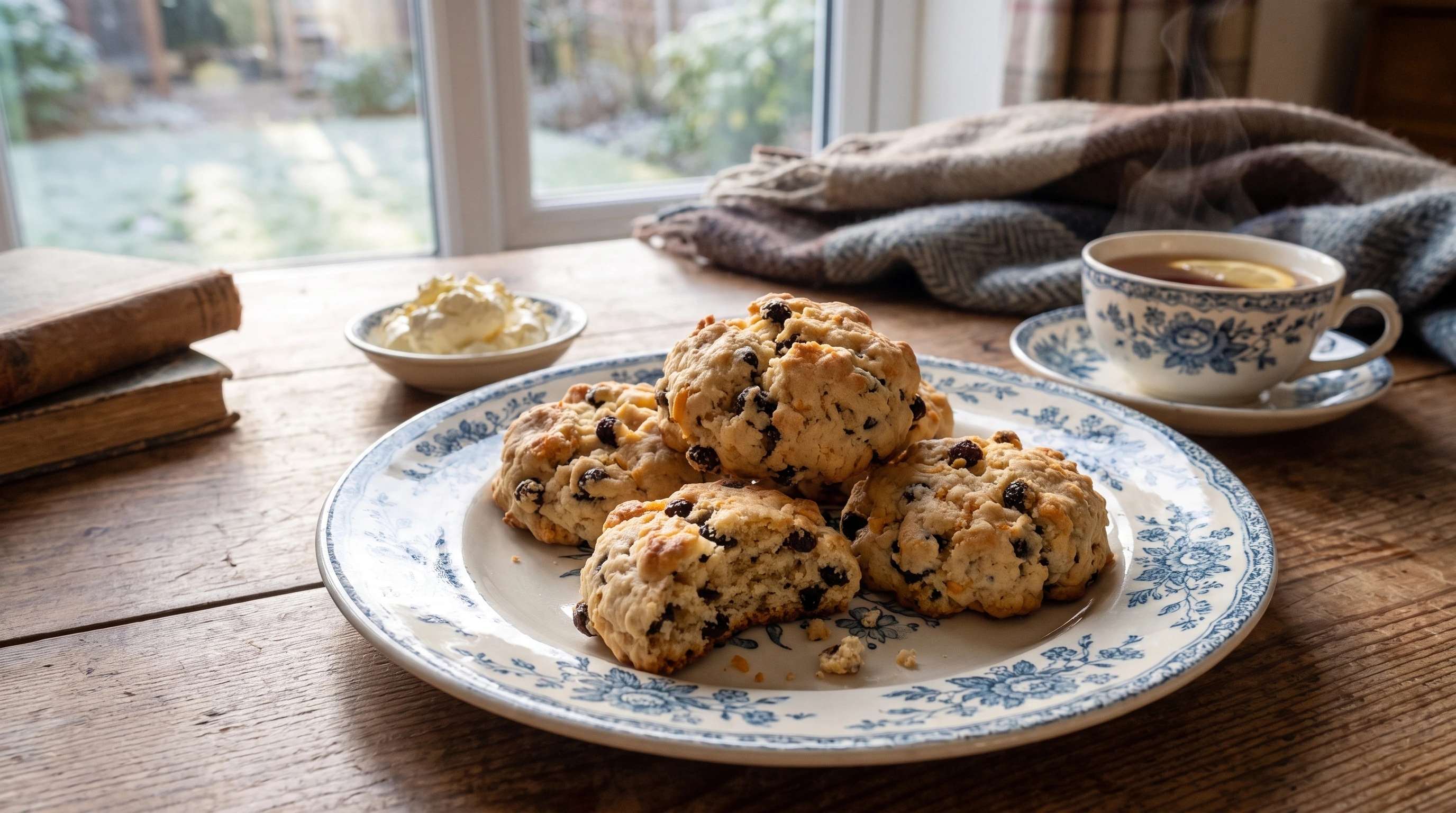
Rubbing cold margarine into self-raising flour creates the essential crumbly base for these traditional teatime treats. The magic happens when the beaten egg and a splash of milk bind the dough, keeping it stiff enough to hold those iconic, craggy peaks. I love how the tart orange peel cuts through the sweetness of the currants, adding a bright citrus note to every bite.
A Timeless Tea Companion
These cakes are best served warm, where the contrast between the crisp, golden exterior and the soft, fruity centre is most evident. They pair beautifully with a strong brew of tea, offering a nostalgic taste of British home baking that celebrates imperfection. Each rough heap on the baking sheet ensures no two cakes are ever the same, making them a delightful addition to any snack platter.
Rock cakes are traditional British teatime treats known for their craggy, irregular appearance. They offer a sweet, fruity flavour with a satisfyingly dense yet crumbly texture. These rustic cakes are typically enjoyed with a hot cup of tea.






 Cyprus