





Step outside any city block and you can read a map of inequality in the aisles of a grocery store that never arrived. The term "food desert" has long described neighbourhoods where the nearest full-service supermarket lies more than a mile away, but activists now argue that the phrase masks a deeper injustice. Food justice champion Karen Washington coined "food apartheid" to stress that these gaps are the product of deliberate policy choices, not natural scarcity, and the language is gaining traction across the United States and beyond (Fwweekly).
Official USDA data confirms the scale of the problem. The Food Access Research Atlas shows that nearly five million Americans lived in low-income areas without a supermarket in 2023, a figure that has barely budged since 2003 (Nutritioninsight; Healio). Yet the same period saw a sharp rise in "food swamps" - zones saturated with fast-food outlets and convenience stores while healthy options remain scarce. In fact, the proportion of such swamps grew by more than eight percentage points, suggesting that the presence of unhealthy choices may be a greater health threat than the mere absence of fresh produce (Healio).
Health outcomes echo the geography. A recent study highlighted by Alaskasnewssource links the prevalence of ultra-processed foods in these deprived zones to higher rates of chronic disease, calling the trend an "urgent public health threat". Researchers argue that education alone cannot overcome the structural barrier of not being able to buy fresh fruit or lean meat without travelling long distances or paying premium prices. The study urges policy to curb ultra-processed products while bolstering local food systems.
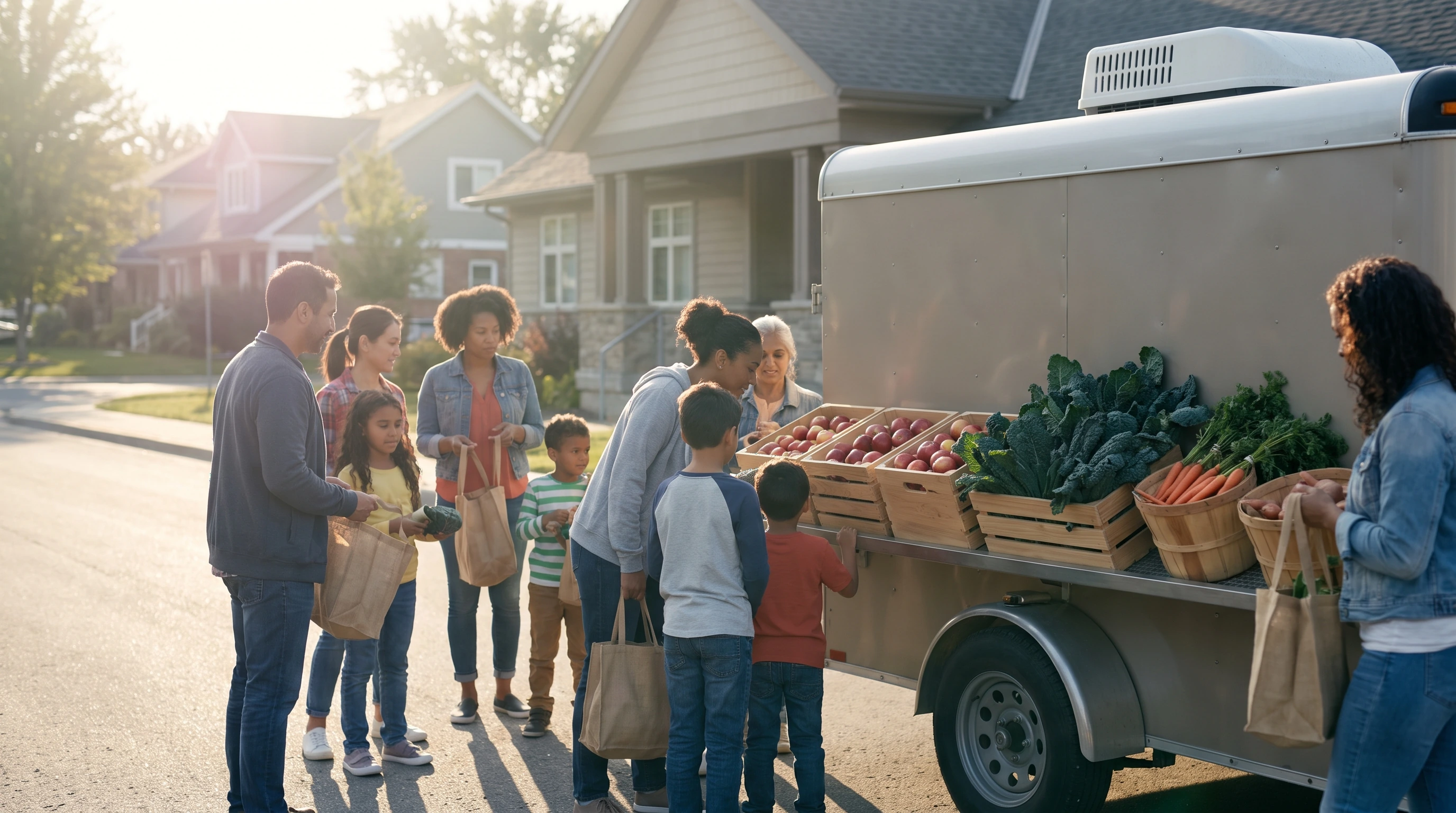
Across the country, community-driven models are testing new ways to rewrite the map. In Rockford, Illinois, the non-profit Farmers Rising has partnered with City Centre Market to launch a refrigerated trailer-based grocery on wheels (Rrstar). The mobile store aims to stock fresh produce, meat, eggs and dairy at prices that rival big-box chains, funded in part by a proposed $822,000 city casino grant. Similar co-ops and farmer-direct markets are sprouting in underserved neighbourhoods, often integrating SNAP benefits to keep prices affordable for low-income families.
Digital delivery, once hailed as a silver bullet, has proved uneven. While some retailers now accept SNAP for online orders, the extra delivery fees and the need for reliable internet keep the service out of reach for the very households that need it most. As Medicaldaily notes, the pandemic amplified reliance on delivery, yet the poorest remain locked out, reinforcing the divide between those who can shop from a kitchen table and those who must travel miles for a fresh tomato.
Internationally, the pattern repeats, albeit with different contours. In many European cities, government-mandated planning ensures a baseline density of supermarkets, yet peripheral districts still grapple with limited choice, especially where private developers focus on high-margin retail corridors. In the Global South, informal markets often fill the gap, but they too can be dominated by cheap, processed snacks when supply chains favour multinational brands over local growers. The common thread is that market incentives, without equitable regulation, produce pockets of scarcity and over-abundance of unhealthy fare.
Policy windows are opening. Upcoming SNAP reauthorisation debates and USDA budget hearings are foregrounding the need for targeted investment in food-access infrastructure. Municipal elections in several states have already featured ballot measures to fund mobile grocery pilots or to require new housing developments to include fresh-food retailers. Advocates argue that without a coordinated strategy-combining subsidies, zoning reforms and robust nutrition standards - the gap will only widen as grocery prices climb (Stateline).
For home cooks and food lovers, the reality is that the postcode on a letter can dictate the quality of a dinner plate. Yet the growing chorus of community co-ops, mobile markets and grassroots advocacy shows that the map is not immutable. When residents, local governments and food producers collaborate, the desert can become fertile ground for healthier choices.
Yum Opinion: The fight against food apartheid begins with a simple truth-every neighbourhood deserves a grocery store within walking distance, and until that becomes universal, our plates will continue to tell the story of inequality.