





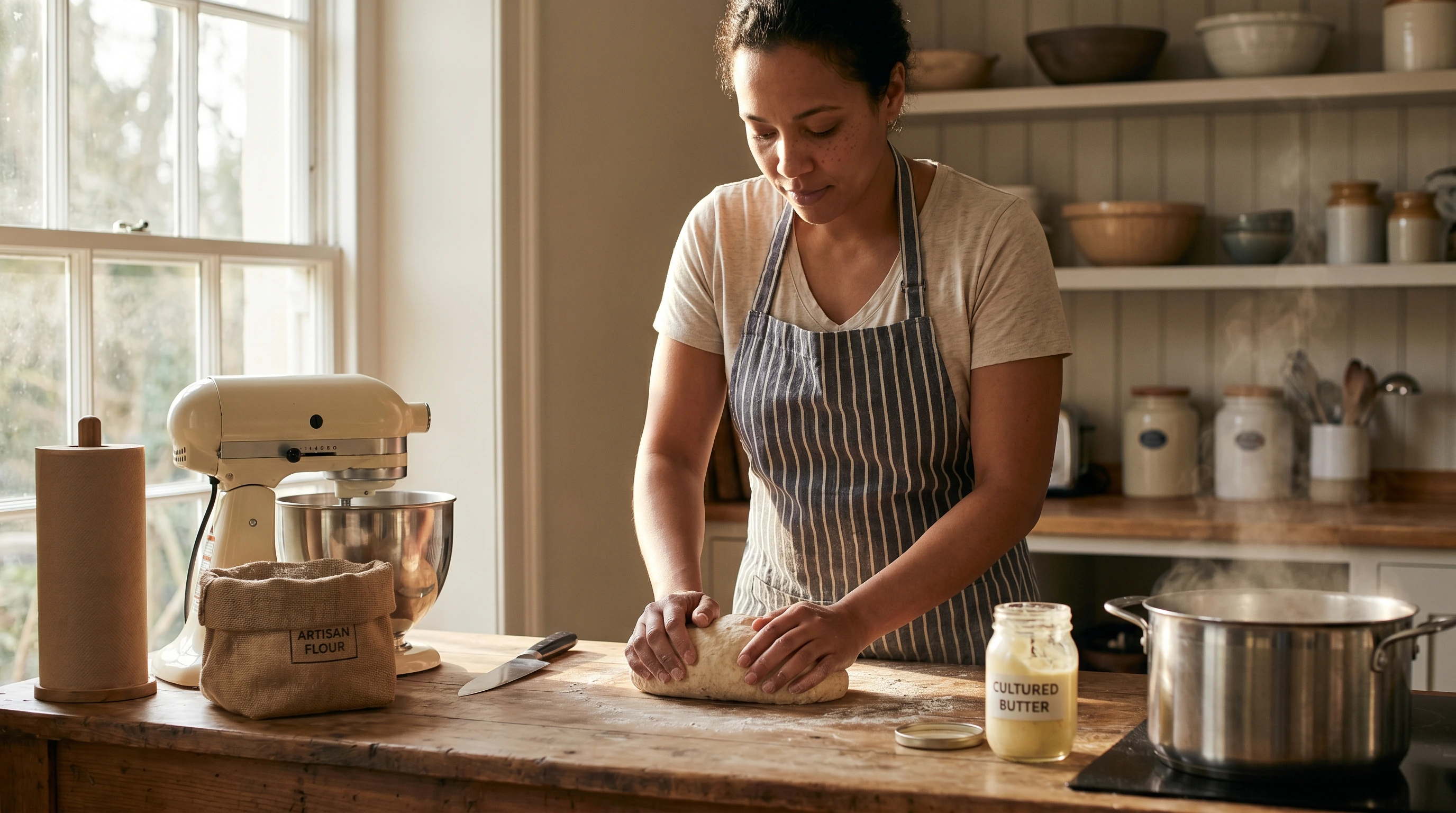
When the first lockdown shutters clanged shut in early 2020, kitchens across the UK, Australia, Singapore and beyond transformed from occasional utility rooms into daily workplaces. What began as a necessity-feeding families while restaurants closed-quickly sparked a curiosity that has not faded. A 2025-2026 State of Home Cooking Report by HelloFresh and Wakefield Research noted that 93% of respondents expect to cook as much or more in 2026 than the year before, underscoring a habit that has moved beyond crisis response (WHIO).
One of the most visible signs of this shift is the resurgence of the cookbook. Sales in the UK and the US reached their highest levels in a decade during 2020-21 and have held steady, with a noticeable tilt toward technique-driven manuals rather than celebrity-fronted titles (Blogverdict). Readers are no longer satisfied with a collection of recipes; they crave the science of fermentation, the art of perfect pastry, and the confidence that comes from understanding why a dough behaves the way it does. This appetite for knowledge has fed a parallel boom in specialised kitchen tools.
Stand mixers, proofing baskets and premium knife sets saw a sales explosion during lockdown, and unlike many fleeting fads, those categories have retained much of their uplift. The sustained demand suggests that home cooks are not merely dabbling-they are investing in the equipment needed to execute more ambitious dishes (Eddiestableford). From a sleek KitchenAid to a handcrafted Japanese santoku, the modern pantry now resembles a professional back-of-house, albeit on a smaller scale.
Education has followed suit. Cooking class enrolments-both in-person and online-remain significantly above pre-pandemic levels, with platforms such as MasterClass and America’s Test Kitchen reporting steady subscriber growth. Experienced chefs note that the skill baseline of new students has risen dramatically; where once a class began with the basics of boiling water, today participants arrive comfortable with sous-vide bags and sourdough starters (Relishrealm). This upskilling is reflected in the growing confidence to tackle complex recipes and experiment with fermentation, pickling and bread-making.
Perhaps the most surprising demographic shift is the rise of male home cooks. Surveys across several countries indicate that men aged 25-40 are now cooking more regularly than they did before the pandemic, a change attributed to both necessity and a newfound enjoyment of the process (Blogverdict). While some analysts caution that the data may capture a temporary blip, the consistency of the trend across multiple studies points to a genuine cultural rebalancing of kitchen labour.
Ingredient shelves have evolved alongside skills. Supermarkets report a steady climb in sales of artisan flours, cultured butters and premium olive oils-items once confined to specialist shops (Relishrealm). The ‘made from scratch’ movement has turned these once-luxury products into everyday staples, reinforcing the notion that quality ingredients are the foundation of home-cooked meals.
Internationally, the story holds both common threads and local colour. In Singapore, despite a historically low frequency of home cooking, a 2024 Ikea survey found that 37% of respondents still prefer a home-cooked meal, even as meal-delivery services adapt to a market where cooking is resurging (Straitstimes). Down under, Australian adults reported trying new recipes and cooking more frequently during lockdown, a habit that many intend to keep as restrictions eased (Research Monash). These global snapshots illustrate that the pandemic’s culinary legacy is not confined to any single nation but is a worldwide re-evaluation of food preparation.
Beyond statistics, the social dimension of cooking has flourished. Online communities on Reddit, Instagram and dedicated forums now host millions of members sharing tips, troubleshooting failed soufflés and celebrating small victories. The collective knowledge pool has turned solitary cooking into a shared experience, reinforcing the idea that the kitchen is as much a social hub as a place of nourishment.
As the world settles into a post-pandemic rhythm, the evidence points to a permanent recalibration of how we feed ourselves. The surge in cookbooks, the durability of equipment sales, the rise of male participation and the global appetite for quality ingredients all signal that home cooking has moved from a temporary fix to a lasting cultural pillar.
Yum Opinion: the pandemic may have closed restaurant doors, but it opened a thousand new ones in our own homes.